Upper GI Oncology
Upper gastrointestinal (GI) oncology focuses on cancers that affect the esophagus (food pipe) and stomach. These cancers can significantly impact eating, digestion, and overall health. With advancements in diagnostic techniques and minimally invasive surgical approaches, early detection and effective treatment have greatly improved patient outcomes and quality of life.
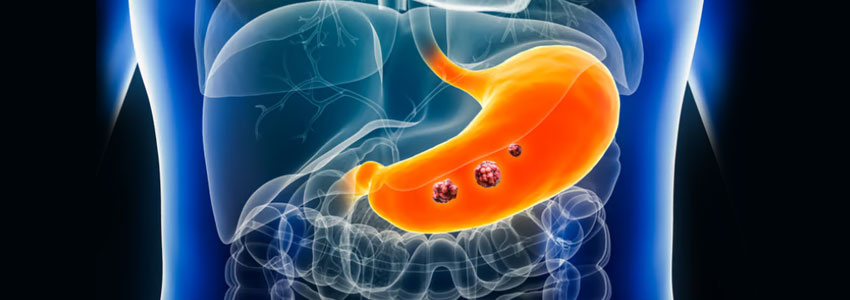
Understanding Upper GI Cancers
Cancers of the esophagus and stomach often develop silently in their early stages. Risk factors include smoking, alcohol use, obesity, chronic acid reflux, Helicobacter pylori infection, and diets high in processed or smoked foods. Common symptoms may include difficulty swallowing, persistent indigestion, unexplained weight loss, vomiting, or fatigue. Timely evaluation and treatment are key to successful management.
Treatment Approach
Surgery plays a central role in the treatment of upper GI cancers. The goal is complete tumor removal while maintaining digestive continuity and function. Depending on the location, stage, and spread of the cancer, surgery may be performed through traditional, laparoscopic, or robotic-assisted techniques for greater precision and faster recovery.
Types of Surgeries Performed
- Esophagectomy – removal of the cancerous portion of the esophagus with reconstruction using stomach or intestine
- Gastrectomy – partial or total removal of the stomach depending on tumor size and location
- Lymph Node Dissection – removal of nearby lymph nodes to ensure complete cancer clearance
- Minimally Invasive and Robotic Esophagectomy – for precise surgery with smaller incisions and faster healing
- Palliative Bypass or Stenting – for advanced cases to relieve swallowing or obstruction symptoms
Advanced Techniques Used
- Robotic and laparoscopic upper GI surgeries for improved visualization and accuracy
- Enhanced Recovery After Surgery (ERAS) protocols for faster patient recovery
- Multidisciplinary treatment planning including chemotherapy, targeted therapy, and nutrition support
- Reconstructive procedures to maintain normal swallowing and digestion
Benefits of Upper GI Cancer Surgery
- Complete and safe removal of the tumor
- Minimally invasive techniques with reduced pain and blood loss
- Quicker return to eating and daily activities
- Better long-term control and survival outcomes
- Improved quality of life after treatment
When Is Surgery Recommended?
Surgery is recommended when the cancer is localized or limited to the upper GI tract and can be safely removed. For advanced cases, chemotherapy or targeted therapy may be given first to shrink the tumor, followed by surgery. Each treatment plan is customized based on the patient’s health, cancer stage, and overall fitness for surgery.
FAQs
Early symptoms may include difficulty swallowing, persistent acidity or indigestion, loss of appetite, weight loss, and nausea. However, many early-stage cancers may not cause noticeable symptoms, making regular screening important for high-risk individuals.
Diagnosis typically involves an upper GI endoscopy, biopsy, CT/MRI scans, and sometimes PET scans to determine the tumor’s size, location, and spread. These tests help plan the most effective treatment strategy.
Yes, robotic surgery provides better precision and visualization in the narrow chest and abdominal spaces. It allows complete cancer removal with smaller incisions, less pain, and faster recovery, especially for complex upper GI procedures.
Recovery depends on the type of surgery and overall health of the patient. With minimally invasive or robotic procedures, most patients can resume light activity within 2–3 weeks and return to normal diet gradually under medical guidance.
Reducing tobacco and alcohol use, eating a balanced diet rich in fruits and vegetables, maintaining a healthy weight, and treating acid reflux or H. pylori infection early can help lower the risk of developing upper GI cancers.