Robotic & Minimally Invasive Cancer Surgery
Robotic and minimally invasive cancer surgery have transformed the way many cancers are treated. These advanced surgical techniques combine precision, control, and safety, allowing surgeons to perform complex operations through very small incisions instead of large cuts used in traditional open surgery.
Understanding the Technique
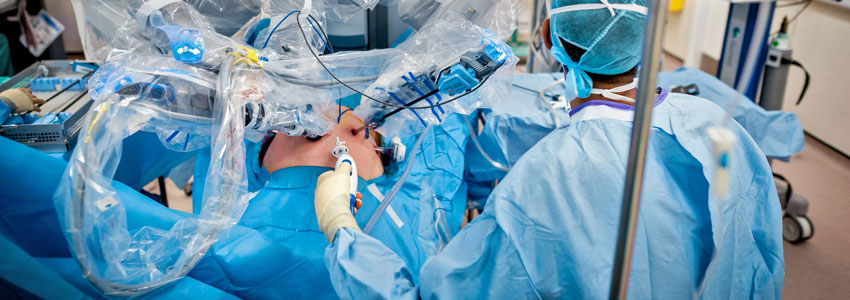
In robotic and minimally invasive surgery, specially designed instruments and a high-definition 3D camera are inserted through tiny openings. The robotic system provides the surgeon with enhanced vision, magnification, and a greater range of motion than the human hand can achieve. The surgeon controls these robotic instruments from a console, translating small, precise movements into smooth, accurate actions inside the body.
This high level of precision allows delicate tissues and blood vessels to be handled with care, minimizing trauma to surrounding healthy structures — a key advantage in cancer surgery.
How It Helps in Cancer Treatment
Robotic and minimally invasive techniques can be applied in the treatment of many cancers. They are particularly beneficial for tumors located deep within the abdomen, pelvis, or chest, where traditional surgery may involve larger incisions and longer recovery times.
These procedures allow for:
- Better visualization of the cancerous area through a 3D magnified view
- More accurate tumor removal while protecting nearby healthy tissues
- Reduced blood loss and fewer complications during surgery
- Quicker recovery due to minimal muscle and tissue disruption
Types of Cancers Commonly Treated
Robotic and minimally invasive techniques are used across multiple cancer types, including:
- Gynecologic cancers: ovarian, uterine, cervical, and vulvar cancers
- Gastrointestinal cancers: stomach, colorectal, and anal cancers
- Thoracic malignancies: lung and mediastinal tumors
- Urological and pelvic cancers: bladder, kidney, and prostate tumors
- Upper gastrointestinal cancers: esophageal and gastric malignancies
- Selected head & neck cancers where minimal access surgery is feasible
Advantages for Patients
- Smaller incisions and minimal scarring
- Less pain and blood loss during surgery
- Lower risk of infection
- Shorter hospital stay and faster recovery
- Better cosmetic outcome
- Earlier start of follow-up therapies like chemotherapy or radiation if required
When Is Robotic or Minimally Invasive Surgery Recommended?
Not all cancers require robotic surgery, but it is especially useful in:
- Early to moderate stage cancers confined to a specific organ
- Deep-seated tumors in the pelvis or abdomen
- Reconstructive cancer surgeries requiring precision
- Situations where faster recovery is important due to other health conditions
Each patient is evaluated individually to determine if robotic or minimally invasive surgery is the most effective and safe option for their cancer type and stage.
FAQs
In open surgery, a large incision is made to reach the affected area. In robotic surgery, small keyhole incisions are used. The robotic system gives the surgeon a 3D magnified view and precise control over instruments, allowing for safer and more accurate removal of cancer while minimizing trauma to surrounding tissues.
No. The robot doesn’t perform the surgery on its own. It acts as an advanced tool that the surgeon controls completely from a console. Every movement made by the robotic arms is guided and monitored by the surgeon in real time.
This approach is effective for many cancers, including those of the ovary, uterus, cervix, colon, rectum, stomach, lung, mediastinum, bladder, kidney, and prostate, as well as some head and neck tumors.
Yes, robotic surgery is very safe when performed by trained and experienced surgeons. The technology enhances precision and reduces the risk of complications. Hospitals also follow strict safety protocols to ensure the highest standards of care.
Not always. The suitability depends on factors like the type and stage of cancer, the patient’s health, and previous surgeries. The surgical team will evaluate each case individually to decide the safest and most effective approach.