Peritoneal Surface Malignancies
Peritoneal surface malignancies (PSMs) refer to cancers that spread to the thin lining of the abdomen known as the peritoneum. These include advanced or recurrent cancers of the colon, appendix, ovary, stomach, and peritoneal mesothelioma. Managing these cancers requires a specialized approach that combines extensive surgical removal of visible disease (Cytoreductive Surgery) with heated chemotherapy administered directly inside the abdomen (HIPEC).
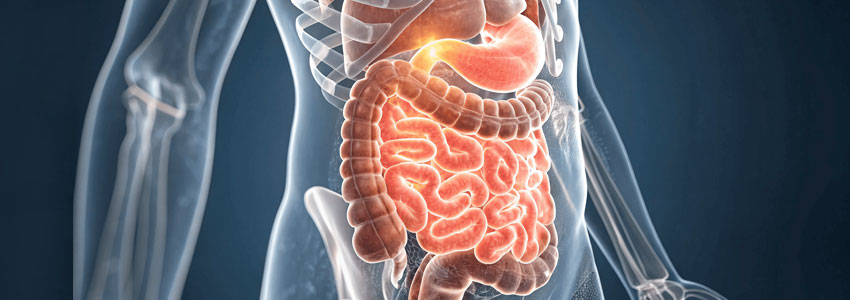
Understanding Cytoreductive Surgery (CRS)
Cytoreductive surgery is a meticulous procedure performed to remove all visible tumor deposits from the peritoneal surfaces and affected organs. The aim is to reduce the tumor burden as much as possible so that only microscopic disease remains. This helps improve the effectiveness of subsequent chemotherapy and enhances long-term survival.
The surgery may involve removing affected sections of the peritoneum, omentum, and, when necessary, parts of organs such as the colon, spleen, or ovaries. Each procedure is carefully tailored to the patient’s condition, cancer type, and extent of disease spread.
What is HIPEC (Hyperthermic Intraperitoneal Chemotherapy)?
After completing the cytoreductive surgery, the abdominal cavity is bathed with a heated chemotherapy solution (usually between 41–43°C) for about 60–90 minutes. The solution is continuously circulated to ensure even distribution.
The heat improves the effectiveness of chemotherapy by increasing drug absorption and destroying residual microscopic cancer cells that may remain after surgery. Because the chemotherapy acts locally, it delivers a high concentration directly to the tumor area while minimizing systemic side effects.
Conditions Commonly Treated with CRS + HIPEC
- Peritoneal metastases from colorectal cancer
- Advanced or recurrent ovarian cancer
- Appendiceal cancers and pseudomyxoma peritonei
- Gastric (stomach) cancer with peritoneal spread
- Peritoneal mesothelioma
Benefits of Cytoreductive Surgery and HIPEC
- Direct delivery of chemotherapy to the cancer site for maximum effect
- Reduced risk of recurrence in the peritoneal cavity
- Fewer systemic side effects compared to intravenous chemotherapy
- Improved long-term survival in selected patients
- Better quality of life post-recovery with well-managed complications
Who Can Benefit from CRS + HIPEC?
Not all patients with peritoneal cancer spread are suitable for this procedure. It is best suited for patients where the disease is limited to the abdominal cavity and can be surgically removed. A detailed evaluation including imaging scans and diagnostic laparoscopy helps determine suitability for the procedure.
Recovery and Follow-Up
Recovery after CRS and HIPEC may take longer than other cancer surgeries due to the extensive nature of the procedure. Most patients stay in the hospital for 10–14 days and require close post-operative monitoring. Gradual recovery is expected, and regular follow-ups help track healing and ensure early detection of any recurrence.
FAQs
Peritoneal surface malignancies are cancers that spread to the lining of the abdomen (peritoneum). They often arise from the colon, appendix, ovaries, or stomach and can form multiple tumor nodules within the abdominal cavity.
In HIPEC, chemotherapy is administered directly into the abdominal cavity after surgery, rather than through the bloodstream. The heated solution improves absorption and destroys cancer cells that cannot be seen with the naked eye, leading to better local control with fewer body-wide side effects.
Yes, when performed by an experienced surgical oncology team, CRS and HIPEC are safe and effective procedures. However, they are complex operations that require specialized expertise, proper patient selection, and post-operative care in a well-equipped hospital.
Most patients recover within 6 to 8 weeks after the procedure. They are monitored closely during the hospital stay for hydration, nutrition, and wound healing. Regular follow-ups are scheduled to ensure smooth recovery and to begin further treatment if needed.
While cure is not always possible, CRS and HIPEC significantly improve survival and quality of life for many patients. The outcomes depend on the type of cancer, how much it has spread, and how completely the tumors can be removed during surgery.